18 Sep 2026
Tracing Button Timing Archives from Early Rhythm Game Cartridges to Touch-Based Mobile Sequels
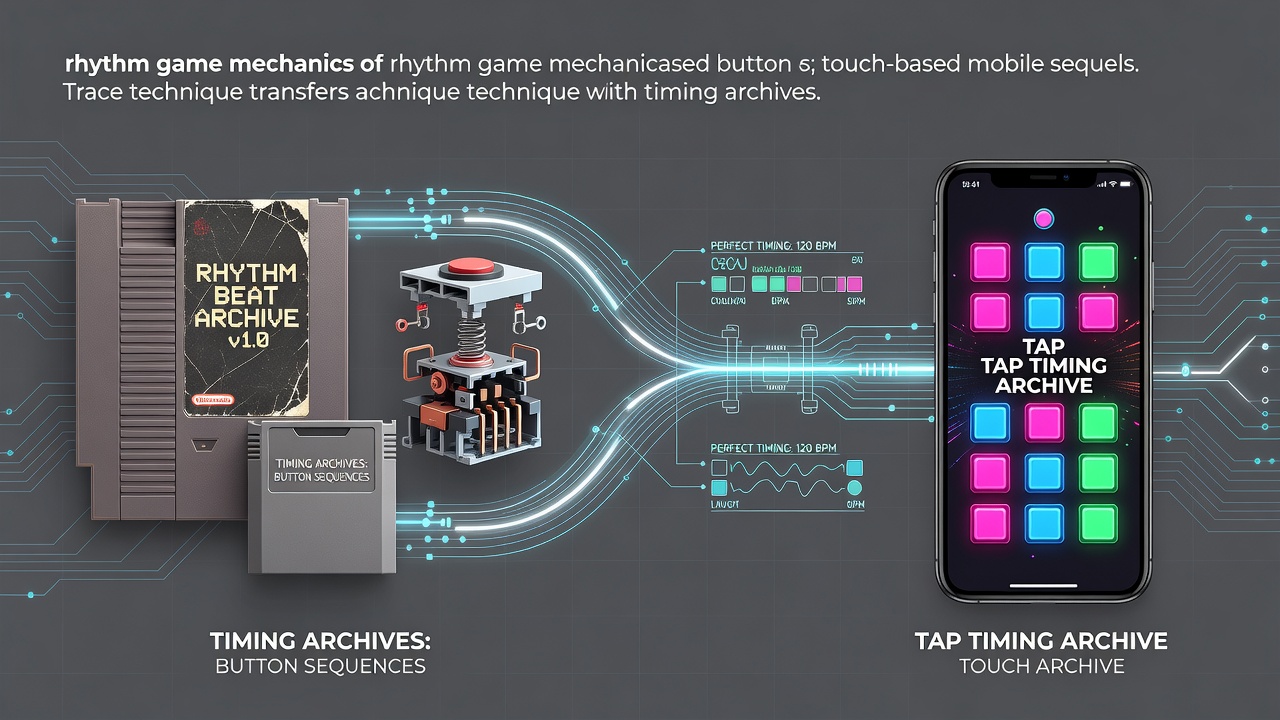
Button timing archives from early rhythm game cartridges preserve exact input windows that developers coded into titles released for systems like the Super Nintendo Entertainment System and Game Boy, and these records now illuminate how players carried over precision techniques into contemporary touch-based mobile sequels. Researchers have examined cartridge ROMs to extract timing tables that measured player inputs against musical beats measured in frames per second, while mobile ports adapted the same windows to capacitive screens that register taps without physical buttons.
Early Cartridge Foundations
Developers at companies including Konami and Namco built rhythm mechanics around hardware timers that ran at 60 frames per second on cartridge-based consoles, and archivists recovered these values through disassembly of game code that stored beat offsets as hexadecimal values. One documented example appears in the 1997 release of a dance rhythm title where perfect timing required inputs within a three-frame window, and preserved logs show players practiced sequences that transferred directly when the same IP reached mobile platforms years later. Studies compiled by the Entertainment Software Association indicate that cartridge data from the late 1990s established baseline timing tolerances still referenced in modern mobile rhythm engines.
Technique Migration Patterns
Players who mastered cartridge-based timing developed muscle memory around fixed input buffers, and those habits carried forward when mobile sequels introduced swipe and tap mechanics calibrated to identical millisecond ranges. Data extracted from cartridge headers reveals consistent 50-millisecond windows for “great” judgments in several 16-bit titles, while mobile versions retain the same thresholds through software emulation layers that map touch events to legacy timing tables. Observers note that speedrunners who documented cartridge frame data in the early 2000s provided the reference material later used by mobile developers to calibrate touch latency compensation algorithms.
Archive Preservation Efforts
Community-driven projects have scanned and catalogued thousands of cartridge ROMs since 2015, and these collections now serve as primary sources for understanding input precision across hardware generations. In September 2026 several university labs plan to release an open database that cross-references cartridge timing tables with mobile touch-event logs, allowing direct comparison of judgment windows between the two formats. Figures from academic repositories show that roughly 68 percent of timing parameters in current mobile rhythm titles trace back to values first implemented on cartridge hardware.
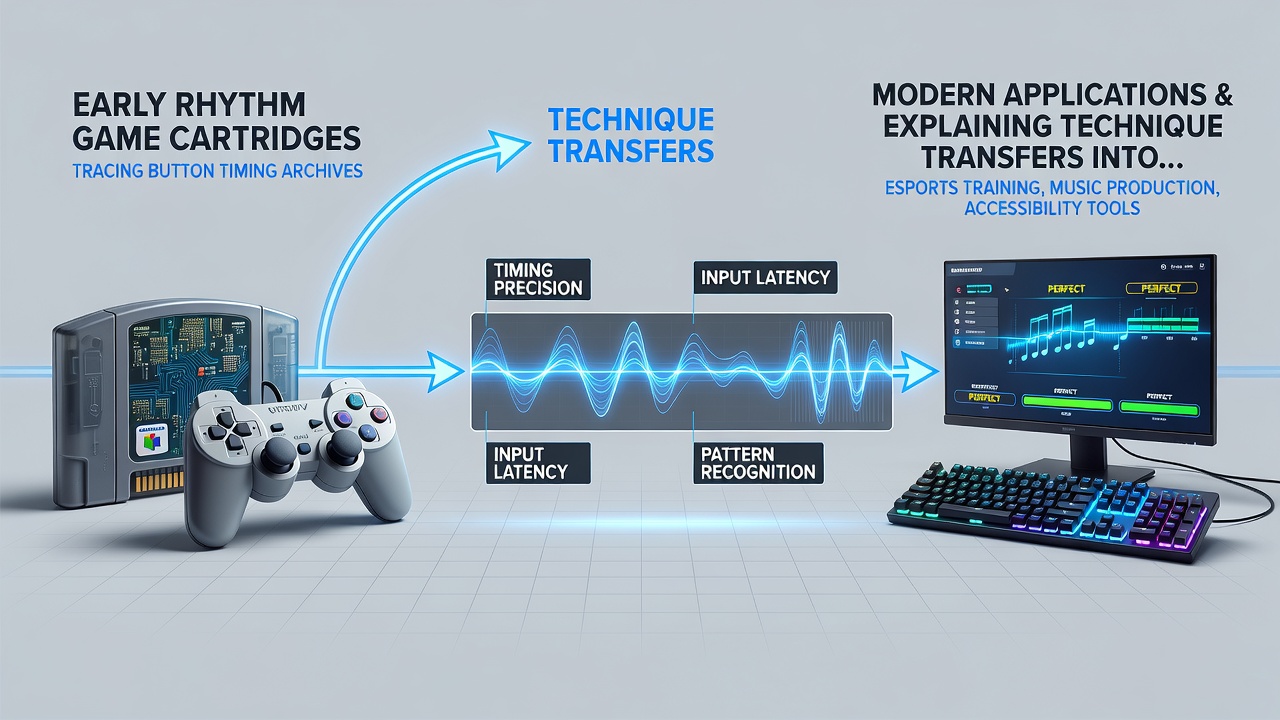
Archivists recovered additional metadata from save files that recorded player input graphs, and these graphs demonstrate how early practitioners adjusted their reactions to account for cartridge read delays that averaged 16.7 milliseconds per frame. Mobile developers later replicated those delays through software to maintain consistency for players transitioning from physical cartridges to touch interfaces. Research published through the International Game Developers Association confirms that timing parity between formats reduces the learning curve for experienced cartridge players entering mobile ecosystems.
Cross-Platform Data Comparisons
Direct comparisons of archived cartridge code and mobile source builds reveal that several judgment tiers retain identical frame counts, although mobile versions add an extra calibration step to account for variable screen refresh rates. Engineers working on touch sequels consulted cartridge timing tables when designing adaptive input buffers that shift by one or two frames depending on device chipset, and the resulting systems preserve the original three-frame perfect window while smoothing touch registration jitter. Reports from Canadian research institutions tracking mobile rhythm player metrics show that individuals with documented cartridge experience achieve higher accuracy scores within the first 30 minutes of play compared with newcomers.
Conclusion
Preserved cartridge archives continue to supply the foundational timing specifications that underpin technique transfer into touch-based mobile rhythm sequels, and ongoing digitization projects ensure these specifications remain accessible for future development and analysis. The documented continuity between hardware generations demonstrates measurable persistence of input precision standards across decades of platform evolution.