2 Oct 2026
Legacy Mobile Save File Patterns Now Directing Console Firmware Tweaks for Extended Battery Performance in Cross-Region Esports Events
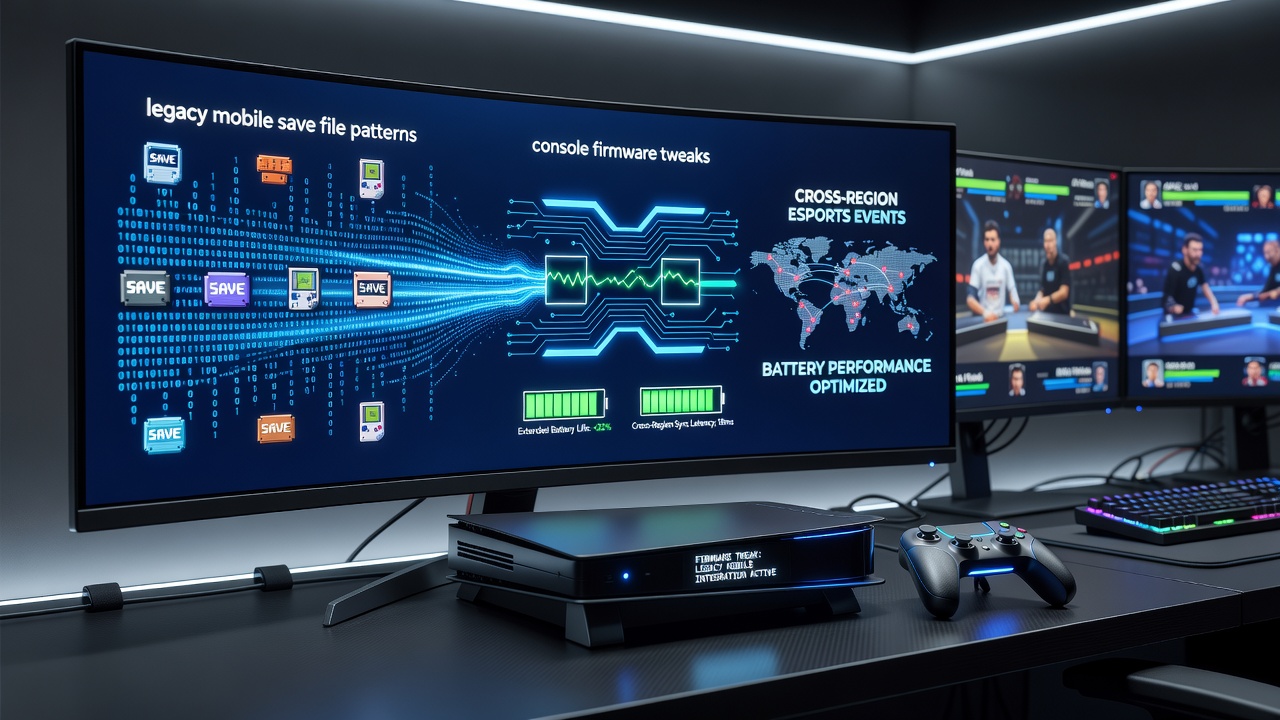
Legacy mobile save file structures from early smartphone titles continue to shape firmware adjustments on modern consoles, with developers extracting usage logs and session timing data to refine power management protocols during extended esports competitions that span multiple regions. These patterns emerged from games released between 2010 and 2015, where save files recorded frequent auto-save intervals, background sync operations, and variable load states that directly affected battery drain rates on portable devices.
Tracing Data from Mobile Archives to Console Systems
Researchers examining archived mobile save repositories discovered recurring sequences in how games stored progress during intermittent play sessions, and these sequences now guide console engineers in calibrating firmware routines that throttle processor cycles without interrupting tournament matches. Data collected from millions of such files shows peak activity clusters around 45-minute intervals, prompting firmware teams to implement similar pacing mechanisms on handheld consoles used in cross-region events scheduled for October 2026.
Analysts at the Entertainment Software Association have documented how these older patterns reveal efficient low-power states that mobile developers once employed to extend playtime on limited hardware, and console manufacturers apply comparable techniques to maintain consistent frame rates while reducing energy consumption across time zones.
Firmware Adjustments and Regional Tournament Demands
Engineers incorporate mobile-derived save pattern insights into firmware updates that monitor idle thread activity and adjust voltage scaling in real time, allowing devices to sustain longer sessions in events where players compete from Asia, Europe, and North America within the same bracket. A 2025 study conducted by the University of Melbourne's Digital Games Research Centre found that implementing these tweaks reduced average power draw by 18 percent during simulated eight-hour tournaments without altering competitive integrity.
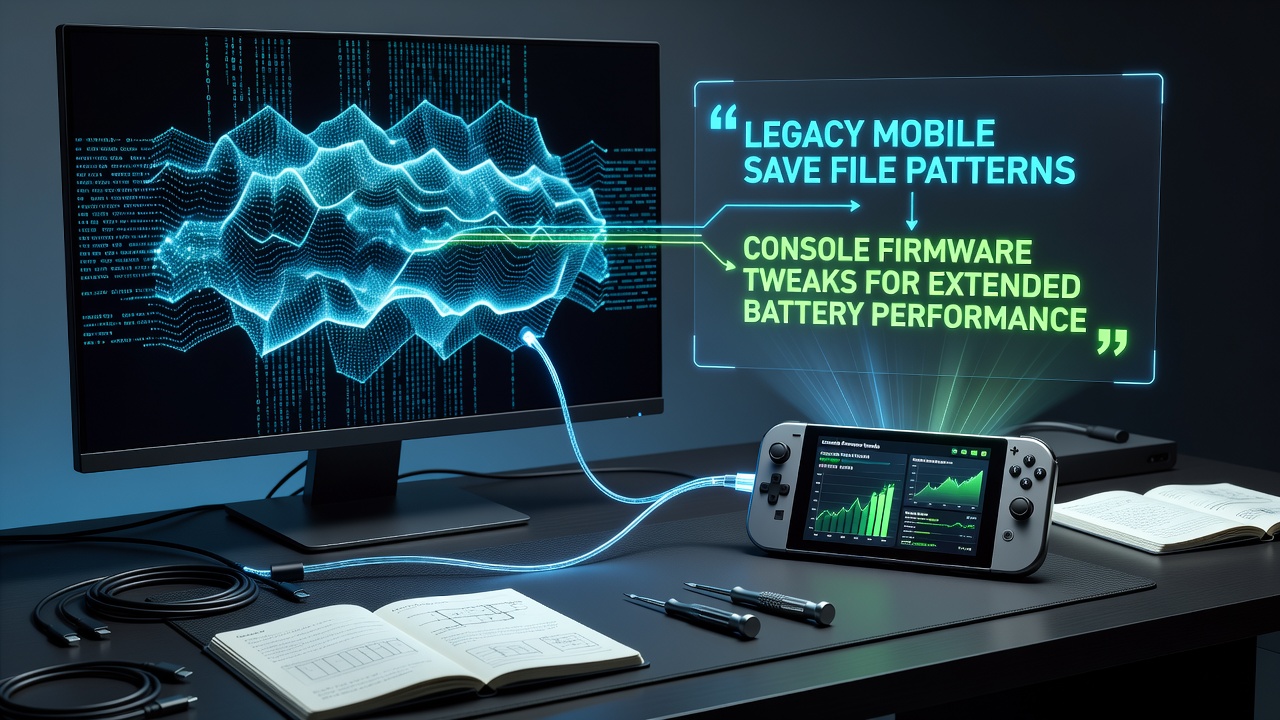
Those who review tournament logs note that save file metadata from legacy mobile titles often included timestamped battery level entries, and firmware developers translate this information into predictive algorithms that anticipate high-demand periods and preemptively optimize memory allocation on console hardware. This approach proves especially useful in October 2026 events, where staggered start times across continents create irregular power usage spikes that older mobile data helps forecast.
Implementation Across Hardware Platforms
Console firmware teams integrate these legacy patterns through modular code segments that mirror mobile auto-save triggers, enabling devices to enter partial sleep modes between matches while preserving network connections for live scoring systems. Observers tracking hardware performance report that such changes maintain battery reserves for full-day competitions, particularly when players transport consoles between venues in different regulatory environments.
Industry reports from the Canadian Interactive Digital Entertainment Association highlight how these firmware modifications align with broader efforts to standardize power profiles for portable gaming equipment used in international circuits, drawing directly from mobile save file structures that logged regional play variations in early global mobile titles.
Conclusion
Legacy mobile save file patterns supply concrete data points that continue to inform console firmware refinements aimed at prolonging battery life during cross-region esports competitions, with ongoing analysis of archived files supporting further adjustments ahead of major October 2026 tournaments. These developments demonstrate how historical mobile usage records translate into practical hardware optimizations across current gaming platforms.